5 Ways to Prepare for Your Cataract Procedure in Las Vegas, NV
Cataracts often develop slowly, gradually clouding your vision until everyday activities like reading street signs or recognizing faces become a struggle. This progressive loss of clarity can lead to frustration, limiting your independence and dimming the vibrant world around you. While the thought of eye surgery might seem daunting, avoiding treatment only allows the condition to worsen, potentially leading to significant vision impairment. Fortunately, modern advancements have transformed this common condition into a highly manageable situation with excellent outcomes.
These are 5 ways to prepare for a cataract procedure:
1. Understanding Advanced Technology Behind Modern Surgery
The journey to clearer vision begins with understanding how far surgical techniques have progressed. Unlike older methods that required larger incisions and longer healing times, today’s cataract procedures utilize phacoemulsification. This minimally invasive technique uses ultrasonic energy to gently break up the cloudy lens, which is then removed through a tiny self-sealing incision. Because the cut is so small, stitches are rarely needed, and the structural integrity of the eye remains intact.
This precision reduces the risk of infection and astigmatism while speeding up the visual recovery process. Patients benefit from a safer experience with predictable results, thanks to the integration of digital imaging and computer-guided systems that allow surgeons to plan every step with exactitude.
2. Selecting the Right Intraocular Lens for Your Lifestyle
One of the most critical decisions you will make involves choosing the artificial lens that will replace your natural one. Standard monofocal lenses provide clear distance vision, meaning you will likely still need reading glasses for close work. However, many patients now choose premium options to reduce their dependence on eyewear entirely. Multifocal and accommodating lenses offer a range of vision for near, intermediate, and far distances, while toric lenses specifically correct astigmatism.
During your consultation, your surgeon will analyze your corneal shape and visual habits to recommend the best fit. Discussing your daily activities, such as driving at night or working on a computer, helps tailor the choice to your specific needs, ensuring you achieve the visual freedom you desire.
3. What to Expect During the Step-By-Step Surgical Process
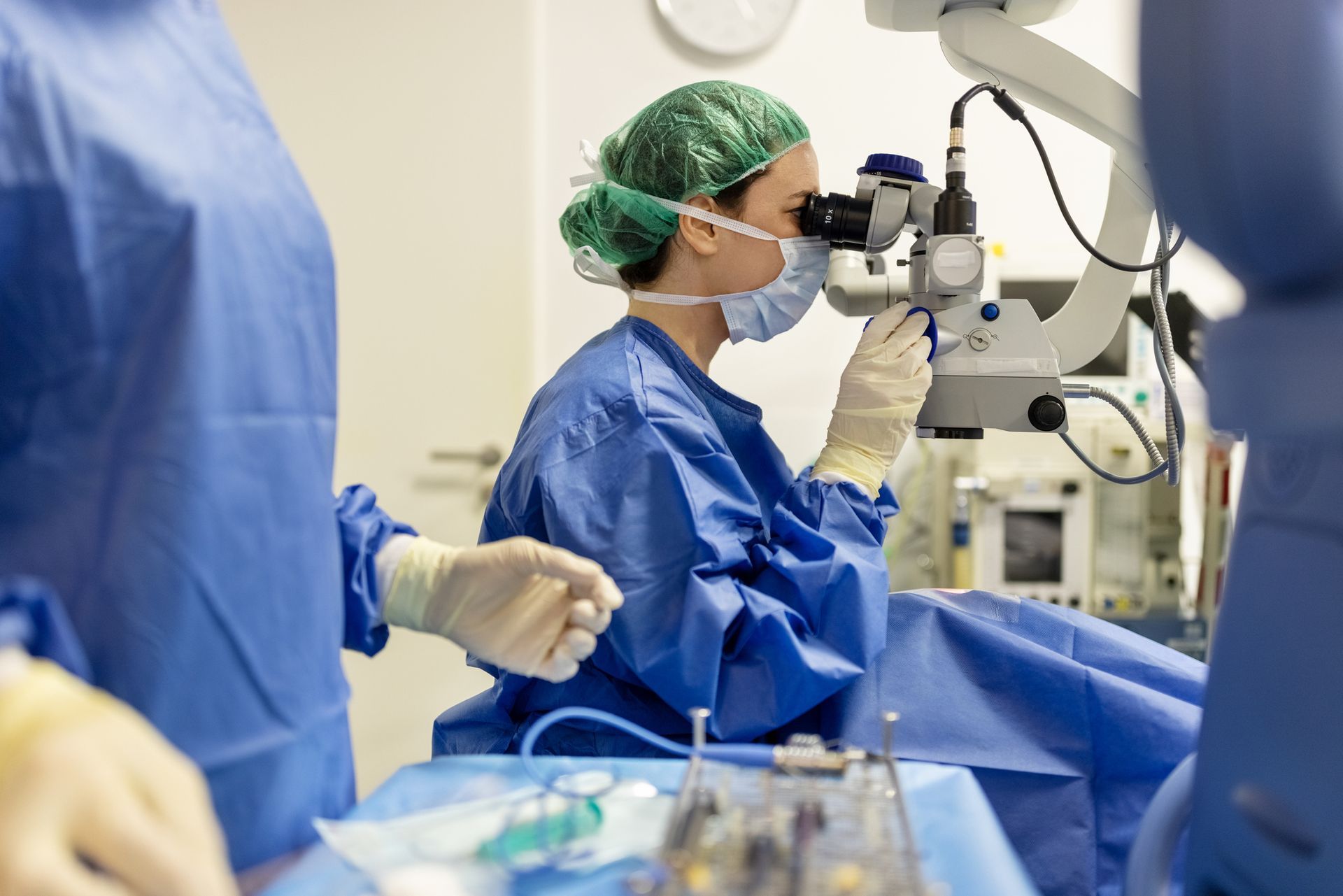
Knowing exactly what happens on the day of surgery can significantly alleviate anxiety. The entire cataract procedure is typically completed in under twenty minutes per eye. You will arrive at the surgical center and receive mild sedation to help you relax, along with numbing drops so you feel no pain. While you remain awake, you will not see the detailed instruments moving inside your eye, only bright lights and shadows. The surgeon removes the clouded lens and inserts the new intraocular lens immediately.
Throughout the operation, the medical team monitors your comfort and vital signs closely. Most patients describe the experience as surprisingly quick and comfortable, with many reporting they wish they had sought treatment sooner due to the ease of the procedure.
4. Navigating the Recovery Timeline and Post-operative Care
Recovery from cataract surgery is generally rapid, with many patients noticing improved vision within a day. Immediately after the procedure, your eye may feel slightly gritty or sensitive to light, but these sensations usually fade quickly. You will be prescribed antibiotic and anti-inflammatory eye drops to prevent infection and control swelling, which must be used according to a strict schedule.
It is essential to avoid heavy lifting, bending over, or rubbing your eye for the first week to allow the incision to heal securely. Most individuals can resume normal activities like reading and watching television within forty-eight hours, though full visual stabilization may take a few weeks. Attending all follow-up appointments ensures your healing progresses smoothly and any minor issues are addressed promptly.
5. The Benefits of Choosing a Local Specialist
Selecting a board-certified ophthalmologist within your community offers distinct advantages regarding continuity and personalized attention. A local expert understands the specific environmental factors of the region, such as intense sunlight and dry air, which can impact eye health and recovery.
Furthermore, having your surgeon nearby simplifies the logistics of pre-operative testing and post-operative check-ups, reducing travel stress during your healing phase. Established practices in the area often feature state-of-the-art diagnostic equipment and experienced support staff dedicated to patient comfort. By choosing a provider with a strong local reputation, you gain access to a team committed to your long-term visual health and success.
Contact Kenneth Houchin, M.D. For Your Vision Restoration
Taking the step toward clearer vision is an investment in your future independence and happiness. With advanced surgical options and a compassionate care team, achieving better sight has never been more accessible. Do not let cataracts continue to obscure your world when effective treatment is available. For expert guidance and personalized care, trust Kenneth Houchin, M.D. to lead you through every stage of your journey. Call
(702) 718-2020 today to schedule your consultation and discover how a modern cataract procedure in Las Vegas, NV, can transform your life.